What is Software Development Life Cycle (SDLC)
The SDLC is a framework that allows you to break down the process of developing software into phases, each with its own goals and deliverables. It’s a way to plan out your project from start to finish so that you can be sure you’re getting the most value out of your time spent writing code.
Where did the SDLC come from?
It is a methodology that has been used by software developers for many years, and its origins can be traced back to the 1960s and 1970s.
During this time, the development of large-scale software systems was becoming increasingly complex, and there was a need for a structured approach to software development. The first SDLC models were developed during this period, including the Waterfall model, which is still widely used today.
In the Waterfall model, the development process is divided into distinct phases, with each phase building on the results of the previous one. The phases typically include requirements gathering, design, implementation, testing, and maintenance. This model provided a structured approach to software development that was easy to follow and allowed for better control of the development process.
Over the years, the SDLC has evolved, with new models and methodologies emerging to address the changing needs of software development. Agile and Lean methodologies, for example, were developed in response to the need for more flexibility and collaboration in the development process.
How does the SDLC work?
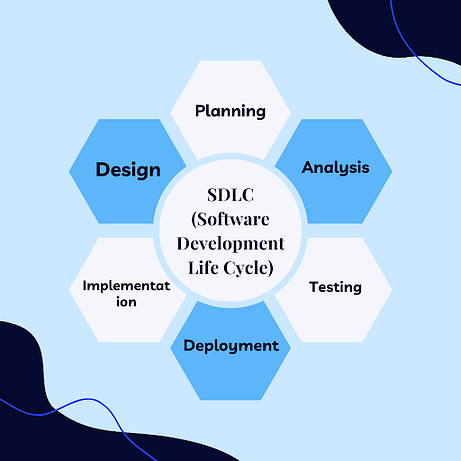
1. Planning
The first phase of the SDLC process is planning. During this phase, the development team works closely with stakeholders to identify the goals of the software application, the scope of the project, and any risks that may affect the project’s success. Additionally, the team outlines the project budget, timelines, and any other factors that may impact the project.
2. Requirements Gathering
The second phase of the SDLC process is requirements gathering. This phase involves identifying and documenting the functional and non-functional requirements of the software application. These requirements are the foundation for the design, development, and testing of the software application.
3. Design
The design phase involves the creation of a blueprint for the software application. The development team creates the application’s architecture, defines its components, and establishes how the components will interact with one another. Additionally, the team creates a prototype of the user interface and designs the software’s code structure.
4. Implementation
The implementation phase is where the actual coding and development of the software application take place. The development team writes the code, integrates the components, and creates the final version of the software application.
5. Testing
The testing phase is where the software application is thoroughly tested to ensure it meets the project’s goals and requirements. This phase involves several types of testing, including functional testing, regression testing, and load testing, to name a few. Testing helps to identify any bugs or issues in the software application before it is released to end users.
6. Maintenance
The maintenance phase is the final phase of the SDLC process. During this phase, the development team ensures the software application continues to function correctly after it has been released. The team may fix any bugs or issues that arise, make enhancements to the software application, or perform updates to ensure compatibility with new technologies.
Benefits of SDLC
The SDLC process provides several benefits to software development projects, including:
1. Improved Quality
Following the SDLC process ensures that the software application meets the project’s goals and requirements. This process also identifies any bugs or issues early in the development process, allowing the development team to address them before the software application is released.
2. Reduced Development Costs and Time
By identifying and documenting the project’s goals and requirements, the development team can avoid costly changes to the software application later in the development process. Additionally, following the SDLC process helps to streamline the development process, reducing the overall time required to develop the software application.
3. Increased Productivity
Following the SDLC process ensures that each phase of the development process is completed before moving on to the next phase. This process helps to increase productivity by providing clear guidelines and expectations for the development team.
4. Improved Communication and Collaboration
The SDLC process promotes clear communication and collaboration between the development team and stakeholders. By involving stakeholders in the development process, the team can ensure the software application meets the stakeholders’ needs and expectations.
5. Improved Risk Management
By following the SDLC process, the development team can identify potential risks early in the development process. This process helps to mitigate risks and prevent them from turning into larger issues later on.
6. Greater Control over the Development Process
The SDLC process provides a structured and systematic approach to software development. This approach helps to ensure that each phase of the development process is completed in a timely and efficient manner. This process also provides greater control over the development process, ensuring that the project stays on track and within budget.
7. Better Alignment with Business Objectives
The SDLC process involves close collaboration with stakeholders, ensuring that the software application meets their needs and aligns with business objectives. This process helps to ensure that the software application provides value to the business and its customers.
What are the SDLC models/methodologies?
There are various SDLC models/methodologies that can be used for software development. Each model has its own unique approach and benefits. Let’s take a closer look at some of the most popular SDLC models.
1. Waterfall Model
The Waterfall model is a linear and sequential approach to software development. Each phase of the development process is completed before moving on to the next phase. This model is useful when the requirements are well defined and there is little need for changes or iterations during the development process.
2. Agile Model
The Agile model is an iterative and incremental approach to software development. This model involves developing software in small increments, with continuous testing and feedback throughout the development process. The Agile model is useful when the requirements are likely to change or evolve during the development process.
3. Spiral Model
The Spiral model is a risk-driven approach to software development. This model involves identifying and mitigating potential risks throughout the development process. The Spiral model is useful when the development team needs to take a highly collaborative approach with stakeholders and end-users.
4. Rapid Application Development (RAD) Model
The Rapid Application Development (RAD) model is a fast-paced and iterative approach to software development. This model involves using prototypes and mock-ups to quickly develop and test software applications. The RAD model is useful when the development team needs to quickly develop and deploy software applications.
5. DevOps Model
The DevOps model is a combination of development and operations processes, with an emphasis on automation and continuous delivery. This model involves the integration of development, testing, and deployment processes, with a focus on collaboration and communication between development and operations teams.
Overall, the choice of SDLC model/methodology depends on the specific needs of the project, as well as the development team’s experience and skill set. By understanding the benefits and approaches of each model, the development team can choose the best SDLC model for their project.
The future of the SDLC
The future of the SDLC (Software Development Life Cycle) is expected to evolve as technology advances and new trends emerge in the software industry. Here are some of the key areas where we may see changes in the future of SDLC:
1. Automation
Automation is becoming increasingly important in software development. With the rise of DevOps and continuous delivery practices, there is a growing need for automation in the SDLC. This includes automated testing, deployment, and monitoring processes. In the future, we may see even more automation tools and processes integrated into the SDLC.
2. Agile and Lean Approaches
Agile and Lean approaches to software development are becoming more popular, with a focus on collaboration, flexibility, and continuous improvement. These approaches prioritize delivering value to the customer quickly and responding to changing requirements. In the future, we may see more development teams adopting agile and lean methodologies in their SDLC.
3. Artificial Intelligence and Machine Learning
Artificial intelligence (AI) and machine learning (ML) are rapidly advancing and are expected to have a significant impact on software development. These technologies can be used to automate processes, analyze data, and provide insights into software performance. In the future, we may see more integration of AI and ML tools into the SDLC.
4. Cloud Computing
Cloud computing is becoming increasingly important in software development, with many companies moving their applications and services to the cloud. This trend is expected to continue in the future, with more development teams using cloud-based platforms and services in their SDLC.
Overall, the future of the SDLC is likely to involve more automation, agile and lean approaches, AI and ML technologies, and cloud computing. By staying up to date with these trends and incorporating them into their SDLC, development teams can improve efficiency, reduce costs, and deliver higher-quality software applications.
Create Innovative Software With Atlantis BPO Solutions
This shows that the app development process is not as challenging as you might think. It is possible to develop the best top-rated innovative solution with the right expertise and technology. Fortunately, Atlantis BPO Solution, top 10 digital marketing agencies in Pakistan can help you with this. We have industry experts and an up-to-date software solution portfolio. Whether you are looking for an e-commerce shop or just an app to create awareness. Our app development team is there with you to code your aspiration into reality and make it a brand statement for your business.
